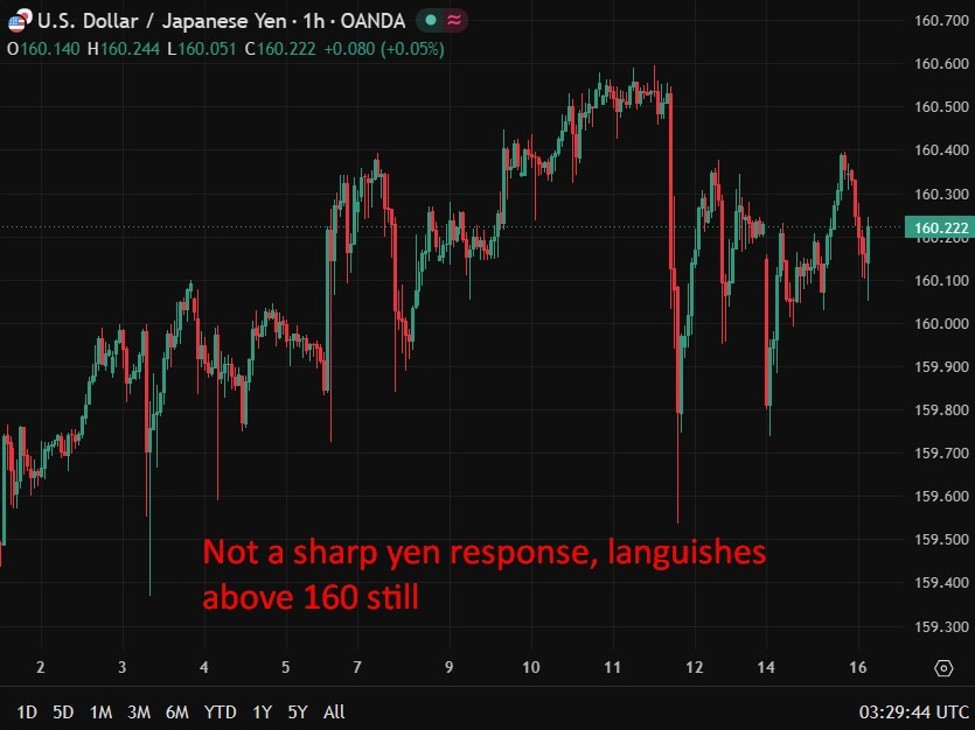
The Bank of Japan raised its short-term policy rate to 1% from 0.75% on Tuesday, lifting borrowing costs to their highest level since 1995 and reaffirming its commitment to continued tightening as inflation risks build across the Japanese economy.
The rate decision was accompanied by a significant announcement on bond purchase policy. The BOJ confirmed it will pause its programme of monthly JGB purchase reductions from April 2027, fixing the buying pace at around 2 trillion yen per month from that point. The existing tapering schedule — reducing monthly purchases by 200 billion yen per quarter — remains in place through January–March 2027 without change. The pause decision passed on a 7-1 vote, with board member Tamura the sole dissenter, having proposed that tapering continue at 200 billion yen per quarter beyond April. The BOJ also said it will discontinue its practice of conducting interim assessments of the taper plan, while retaining the flexibility to increase JGB purchases or deploy fixed-rate purchase operations in the event of a rapid rise in long-term yields.
On the economy, the BOJ assessed that Japan is developing broadly in line with its baseline scenario, that the risk of significant slowdown has diminished compared with earlier in the year, and that the mechanism linking wages and prices in moderate tandem remains intact. Real interest rates were described as negative in the short and medium-term zone, underpinning the case for further adjustment.
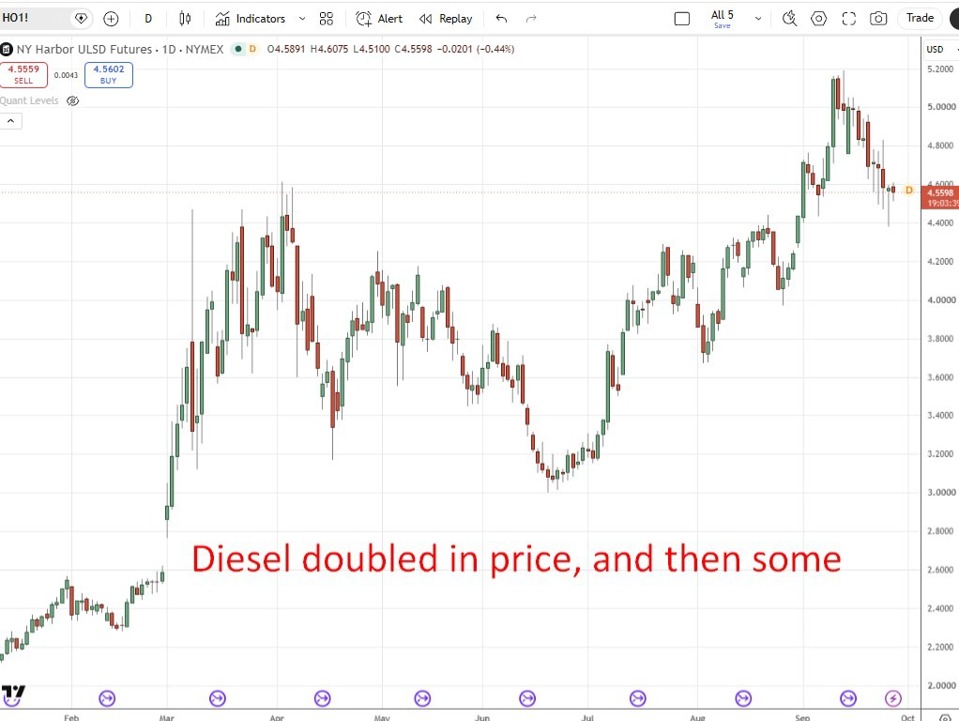
The inflation language carried a notably direct tone. The BOJ flagged that oil price pass-through into consumer prices has been progressing at a faster pace than anticipated and risks spreading across a wider range of goods. Underlying CPI was described as carrying upside risk relative to the 2% target, with the bank projecting a year-on-year increase clearly above 2% and expecting underlying inflation to reach target-consistent levels between the second half of fiscal 2026 and fiscal 2027. Accommodative financial conditions are expected to be maintained even after the rate change, the BOJ said, with further adjustments contingent on developments in economic activity, prices, and financial conditions.
Summary
- The BOJ raised its short-term policy rate target to 1% from 0.75% at its June meeting, the highest level since 1995 and the first move since December 2025
- The board voted to pause its JGB purchase tapering programme from April 2027, fixing the monthly buying pace at around 2 trillion yen; until then, the existing plan to reduce purchases by 200 billion yen per quarter continues through January–March 2027
- The taper pause decision passed 7-1, with board member Tamura’s dissenting proposal to continue tapering by 200 billion yen per quarter from April 2027 onward rejected by the majority
- The BOJ will discontinue interim assessments of the bond taper plan and stands ready to increase JGB purchases or conduct fixed-rate operations if long-term rates rise sharply
- On the economy, the BOJ said Japan is developing broadly in line with its baseline scenario, the risk of significant slowdown has decreased, and the wage-price mechanism remains intact; CPI is projected to accelerate to clearly above 2% year on year
- The BOJ flagged upside inflation risk, citing faster-than-expected pass-through of oil prices into consumer prices across a wide range of goods, and said underlying CPI is expected to reach its target-consistent level between the second half of fiscal 2026 and fiscal 2027
Analysis
The decision is a clean hawkish package with one dovish structural element. The rate hike and the explicit commitment to continue raising rates are unambiguous. The bond taper pause from April 2027, fixing monthly JGB purchases at around 2 trillion yen, is the complicating factor: it removes a source of upward yield pressure at the long end and could be read as a concession to government concerns about borrowing costs, raising questions about the BOJ’s operational independence even as it tightens policy rates. The rejection of board member Tamura’s proposal to continue tapering beyond April was a 7-1 vote, indicating the pause has broad board support. The inflation language is notably direct, with the BOJ flagging a risk of CPI deviating above target and projecting a year-on-year increase clearly above 2%. Real rates remaining negative in the short and medium term keeps the path of further hikes intact. Markets will now focus on whether the Uchida press conference opens or closes the door on a consecutive July move.