Washington and Israel are ready to go back to war with Iran after the midterms, if Trump does not call it off again, and Tehran is signalling that oil prices will be its weapon of choice in reply.
Summary
- The US and Israeli militaries have drawn up specific plans for renewed strikes on Iran after the US midterm elections, the New York Times (gated) reported, citing US officials and others briefed on the deliberations
- Likely targets include Iran’s nuclear facilities, missile and drone arsenal and energy infrastructure, though some officials say refineries and oil infrastructure would be avoided to limit gasoline price rises
- The US military buildup, including three aircraft carriers, is expected to be fully in place by early November
- Trump has repeatedly vetoed a return to major combat, including earlier this month when both militaries were nearly ready to strike
- Iranian figures have threatened to retaliate against Saudi oil refineries, data centres and undersea internet cables
- Israel’s October 27 election could complicate the plans; the White House declined to comment on military planning
Strike Planning and Targets
The US and Israeli militaries have developed specific plans for renewed strikes on Iran after the US midterm elections, the New York Times reported, citing US officials and other people briefed on the deliberations.
Planning is focused on a short but intensive operation, and the two militaries have stepped up exercises, including practice strike flights over Iraq. US Defense Secretary Pete Hegseth met Israeli Prime Minister Benjamin Netanyahu in Israel this week to discuss new strikes, officials said. Likely targets include Iran’s nuclear facilities, its missile and drone arsenal and its energy infrastructure. However, some officials said targeting would avoid refineries and oil infrastructure because President Donald Trump is keen to prevent further rises in gasoline prices. Some US planners believe a three-day campaign could inflict enough economic damage to shift Iran’s negotiating position.
Force Buildup and Timing
The US is assembling forces, including three aircraft carriers, thousands of Marines, fighter jets and special operations units, which are expected to be fully in place by early November. Officials said there is a small possibility of action this month, but Trump is likely to wait until after the election, having promised not to strike before the vote.
It is far from certain that Trump will approve new strikes. He has repeatedly vetoed plans for a return to major combat this year, including earlier this month, when the US and Israeli militaries were nearly ready to attack. The White House said it does not comment on military plans and that all options remain on the table to prevent Iran from acquiring nuclear weapons.
Grounds for Scepticism
The New York Times noted reasons for scepticism. The first phase of intense strikes, between February and April, drove up energy prices and inflation globally and strained US supplies of missile interceptors, while Iran’s government has so far withstood economic pressure. Iranian negotiators have refused to make concessions on the nuclear programme, even as US negotiators use the threat of renewed war as leverage in talks that also cover control of the Strait of Hormuz.
Iranian Retaliation Threats
Iranian figures have warned of wider retaliation. One Tehran-based analyst said Iran could target major Saudi oil refineries, including Aramco facilities, to push up energy prices, and officials have pointed to data centres and undersea internet cables as possible new targets. Israel’s October 27 election could also complicate the timing, as a Netanyahu defeat would leave him as a caretaker leader.
The report comes after the US State Department ordered non-emergency staff and their families to leave Saudi Arabia, as Iran-backed Houthi forces continue to attack sites there.
Market Implications
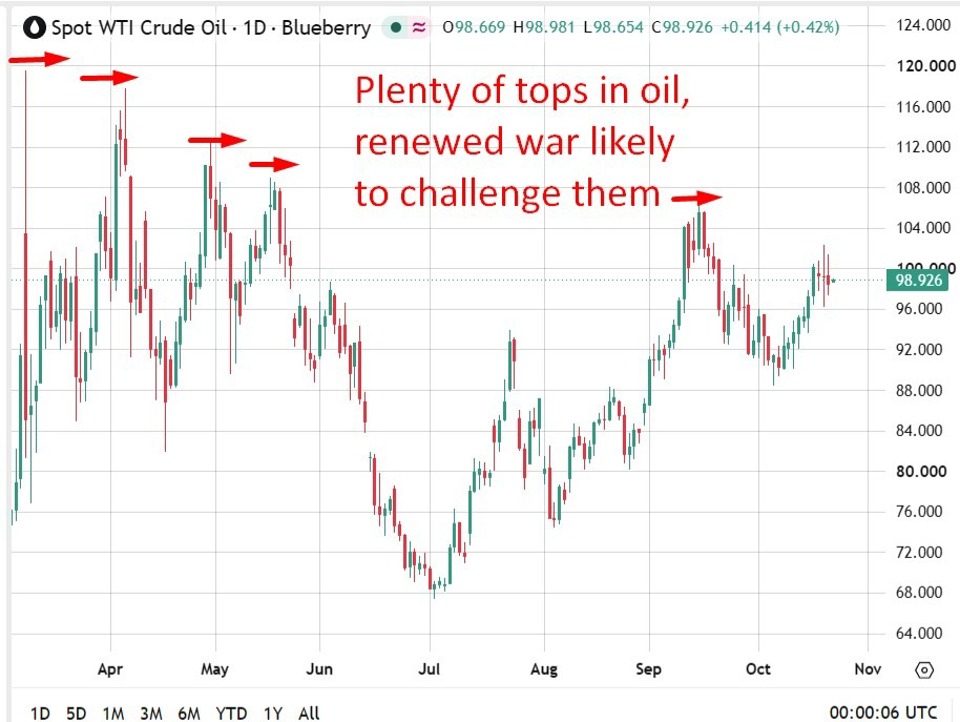
Oil is the market most exposed to this report. The planning points to a window for renewed strikes from early November, once US forces are fully in place, and that timing is likely to keep a geopolitical risk premium embedded in crude. Iran’s threat to target Saudi refineries, including Aramco facilities, specifically to drive up energy prices is a direct risk to physical supply, not just sentiment. Indications that US targeting may avoid oil infrastructure to limit pump price rises offer only partial reassurance, given that Iran would choose its own retaliation targets. Threats against data centres and undersea internet cables add a new technology dimension to the risk. Trump’s record of cancelling strikes at the last minute means markets may continue to swing between pricing escalation and diplomacy, and haven assets such as gold and the US dollar are likely to stay supported while uncertainty persists.