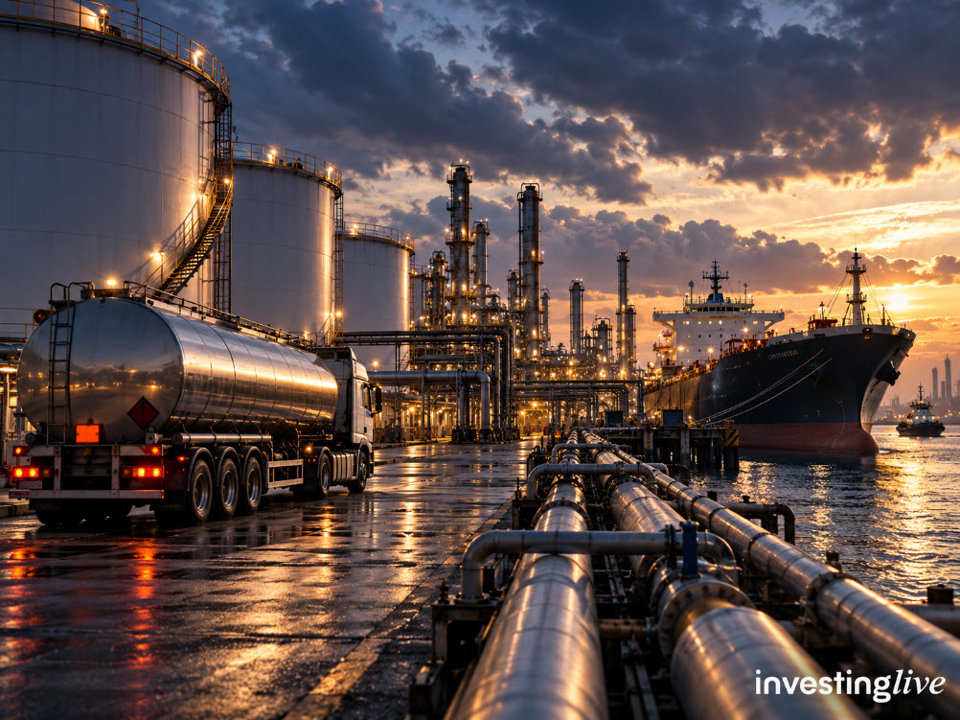
For much of the energy story since the Middle East crisis began, markets have been fixated on oil — and understandably so. But right now, diesel is starting to become one of the more important things to watch.
The global diesel market is getting tighter by the day, and that squeeze is now turning into a fight over emergency reserves.
This isn’t simply another oil story. The world can have crude barrels available, but if there isn’t enough refining capacity to turn those barrels into diesel where it is needed, you can still end up with a shortage of the finished fuel.
Washington is now pressing Europe to release more diesel from strategic reserves, with reports suggesting the US has asked the EU to put as much as 120 million barrels onto the market over the next six months. Germany and France in particular are being pressured, with the Trump administration even raising the possibility of restricting US diesel exports if Europe refuses to act.
What Is Going On?
The easiest way to think about emergency reserves is like food kept in the pantry for a rainy day. When deliveries are disrupted or when you can’t get to the supermarket, you open the cupboard and use what is already there. That helps bridge the gap, but it doesn’t make the supermarket suddenly produce more food.
Diesel reserves work in much the same way.
IEA member countries are generally required to maintain emergency oil stocks equivalent to at least 90 days of net imports, giving governments a buffer when normal supplies are badly disrupted. Those reserves can include crude oil as well as finished fuels such as diesel.
Right now, the problem is increasingly with the finished fuel.
Even though oil is still flowing from the Gulf, diesel production has been constrained by disruptions to refining capacity in the Middle East and Russia. That is already leading countries to take steps to safeguard their own supplies. Russia has extended restrictions on diesel exports, while Chinese refiners have suspended October fuel exports to rebuild domestic stocks.
Why Diesel Matters Beyond the Pump
Diesel matters far beyond the petrol station. Trucks use it to move goods. Farmers use it to run machinery. Industry depends on it, and closely related middle-distillate fuels are also important for heating.
When diesel becomes more expensive, those higher costs work their way through transportation and food. Ultimately, that feeds into consumer prices — which is where this becomes a monetary policy story as well.
The ECB has already highlighted higher refining margins as a contributor to the latest energy inflation shock, and the central bank has stressed it is watching whether the issue will spill over into wages, underlying inflation, and inflation expectations.
For bond markets and central banks, the concern isn’t merely that diesel prices are high today — it is whether they remain high long enough to make inflation more persistent.
The Politics Behind the Standoff
For Washington, record diesel prices are becoming an increasingly uncomfortable issue ahead of the November midterm elections. For Europe, releasing reserves today means having less protection tomorrow if the US-Iran conflict worsens or another supply disruption emerges.
That explains why what appears to be a straightforward solution is turning into a transatlantic argument over energy security.
A coordinated reserve release could certainly knock some of the pressure out of prices, giving the market additional barrels to work with and buying some breathing room for refiners. But that is ultimately the limit of what a reserve release can achieve. Emergency reserves can buy time, but they cannot create new diesel.